Completed SOC 2 Type 2 examination.View our trust center
Level3AITry Emily

Build AI customer support agents around your policies

Build AI customer support agents around your policies

Your best service.
Built into Emily.

Your best service.
Built into Emily.

Your best service.
Built into Emily.

Turn your policies, customer context and approved actions into a service Emily can deliver. Clear decisions. Useful next steps. Your team in control.

Turn your policies, customer context and approved actions into a service Emily can deliver. Clear decisions. Useful next steps. Your team in control.

A service policy, built into EmilyReturn journey
Journey issues01 / 05

Know which job the customer needs.

A specific issue activates the right playbook. Different phrasings can point to the same customer goal.

Customer intent

Request a return

"Can I send it back?""I'd like to return this."
After purchaseRequest a return

01 / JOURNEY ISSUES

Give every request
a precise starting point.

Give every request
a precise starting point.

Give every request
a precise starting point.

A clear issue activates the right playbook. Name the customer goal, recognise the ways people ask and keep similar situations distinct.

A clear issue activates the right playbook. Name the customer goal, recognise the ways people ask and keep similar situations distinct.

Journey issues / the right starting pointTry a customer request
How customers actually ask

"Can I send these headphones back?"

Different words. The same issue.
Send it backReturn my orderGet a return label
StageAfter purchase
Journey issueRequest a return

A customer wants to return a purchased item.

Matched
Linked playbookReturns

02 / PLAYBOOKS

Write the instructions.
See the decision.

Write the instructions.
See the decision.

Write the instructions.
See the decision.

Plain-language steps. Explicit conditions. A fallback when the facts change. Try the same request in three different contexts.

Plain-language steps. Explicit conditions. A fallback when the facts change. Try the same request in three different contexts.

Returns / playbook studioInstructions and read-only flow
Change the customer context
Plain-language instructionsWorking copy
1.

Confirm the order and whether the item is unopened.

2.
check_via_variable

If the purchase date is missing, ask for purchase evidence.
Else, continue to the eligibility check.

3.
check_via_variable

If the item is unopened and within 30 days, execute Create return label.
Else, escalate for team review.

4.

Confirm the result and explain the next step to the customer.

The decision pathRead-only diagram
Return request
Is the purchase date known?Yes
Within 30 days + unopened?Yes
Create labelConfigured action
Team reviewPolicy exception
Ask for purchase evidenceMissing input
order_age_days12item_conditionUnopened
Create return labelSample outcome

Your order is within the return window. I've created your return label and can share the next steps.

Facts choose the branch.Language makes the conversation human.Your team sets the boundaries.

03 / VARIABLES · ACTIONS · KNOWLEDGE

Give the decision facts.
Give Emily the right tools.

Give the decision facts.
Give Emily the right tools.

Give the decision facts.
Give Emily the right tools.

A policy becomes useful when it meets the customer’s actual situation. Inspect the inputs, operations and guidance behind the return journey.

A policy becomes useful when it meets the customer’s actual situation. Inspect the inputs, operations and guidance behind the return journey.

The inputs behind the next stepSample configuration · return journey
Know the customer state

A policy needs facts to work.

Use API values, details from the conversation and system metadata. Each input has a clear source and a role in the decision.

A missing value needs a defined fallback. It should never become a guessed fact.

Variables / return eligibilitySource → value
API
Order systemorder_age_days
12 days
Custom
Customer conversationitem_condition
Unopened
System
Ticket metadatachannel
Chat
Live contextExplicit conditionCorrect branch
Explore Integrate

04 / TEST & VALIDATE

Know what will happen.
Before customers do.

Know what will happen.
Before customers do.

Know what will happen.
Before customers do.

Test the normal path and the exceptions. Inspect whether Emily chooses the expected branch and explains the next step.

Test the normal path and the exceptions. Inspect whether Emily chooses the expected branch and explains the next step.

Return journey / scenario reviewTests · sample outcomes
Cover the normal path and exceptions

Three contexts.
Three deliberate outcomes.

Scenario resultExpected path
Expected behaviour

Create return label

Eligible facts allow the configured label action.

Relevant customer facts used
Permitted action confirmed
Next step explained to the customer

Your order is within the return window. I've created your return label and can share the next steps.

Working copyEdit & validate
In TestingReview in UAT
ProductionRelease & observe
See Operate

05 / FORWARD DEPLOYMENT

Built with your experts.
Ready for real service.

Built with your experts.
Ready for real service.

Built with your experts.
Ready for real service.

Your team knows the service. We work with you to translate it into a reviewed deployment, with a clear owner for what comes next.

Your team knows the service. We work with you to translate it into a reviewed deployment, with a clear owner for what comes next.

Forward deployment

Your service expertise.
Our team, building with you.

We work with your team on Integrate and Build. The starting material is your policies, real customer situations and the decisions your people make today.

Bring to the table
Your policies
Customer conversations
Your subject experts
01

Map the customer work

Agree issues, scope and the exceptions that need a person.

Your team + Level3AI
02

Shape the service blueprint

Build the playbooks, variables, actions and knowledge references.

Level3AI, with your experts
03

Review the behaviour

Test real scenarios and validate the paths in UAT.

Joint review
04

Choose how to operate

Run the loop with Customer Success support, or add AgentOps as a service.

A clear operating owner
CUSTOMER STORIES

CUSTOMER STORIES

Built for the complexity of real service.

Built for the complexity of real service.

Built for the complexity of real service.

Explore how our customers apply Emily in their operations.

Explore how our customers apply Emily in their operations.

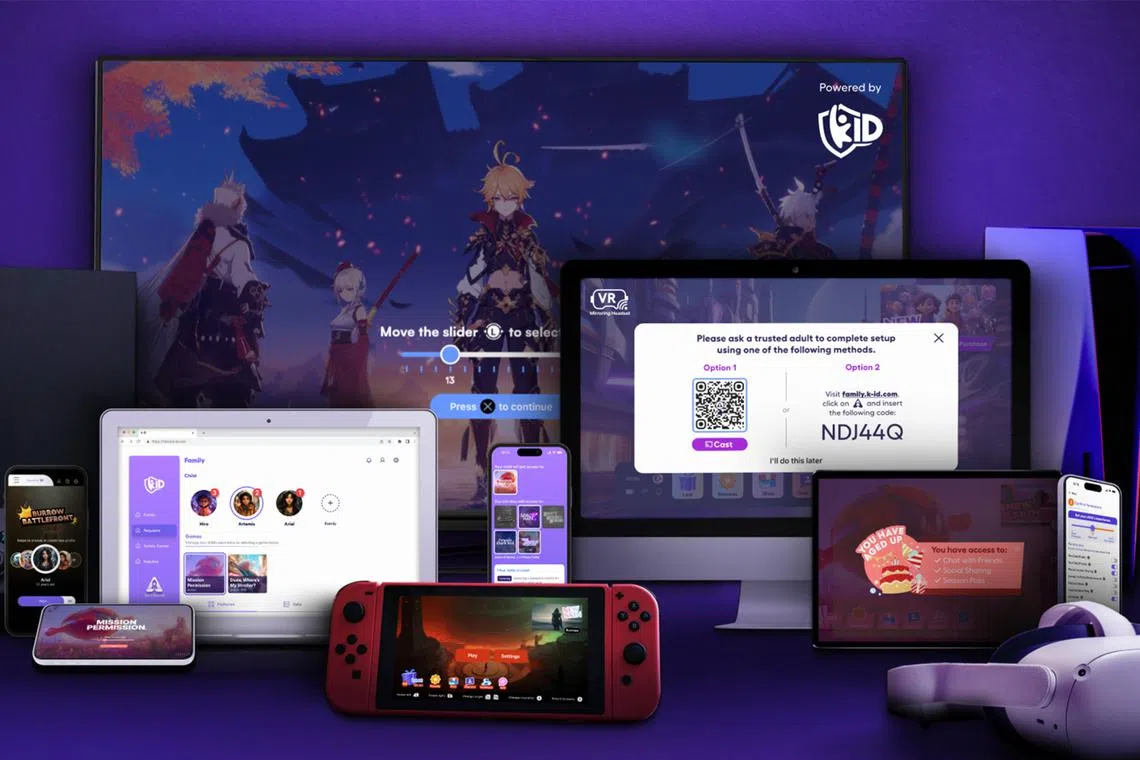
k-ID parental controls and age verification shown across a TV, console, tablet, phones and a VR headset

k-ID scales trust and safety support with Level3AI

Read the story
Shopper using the ShopBack app in-store beside a ShopBack Pay cashback QR code display

Powering rewards at scale: Level3AI partners with ShopBack

Read the story
Carousell app and brand artwork

How Carousell achieves real savings, empowered by AgentOps

Read the story

All customer stories

A FEW PRACTICAL QUESTIONS

The details behind
a dependable build.

The details behind
a dependable build.

The details behind
a dependable build.

How the pieces are authored, tested and maintained.

How the pieces are authored, tested and maintained.

01What exactly are we building?

Emily's service behaviour for your workflow: journey issues, playbooks, variables, actions and relevant knowledge. Together, these define which situation Emily recognises, what facts she uses and what she does next.

02Do we have to build everything ourselves?

Level3AI uses a forward-deployment model for Integrate and Build. We work with your policies, systems and subject experts to build and test the workflow. Your team helps define the right behaviour and review the outcome.

03Are playbooks just flowcharts?

Playbooks are authored as numbered, natural-language instructions with explicit conditions and component references. The Portal compiles them for execution and provides a read-only flowchart to help inspect the logic.

04What happens when data is missing or a case falls outside policy?

The playbook should define the fallback: ask for the missing information, take another permitted path or bring in a person. Use a structured condition for a structured fact, and test the exception before release.

05How do we change a policy after launch?

Update the relevant component in the working copy, test the affected paths and validate in UAT before production. SOP versions and change summaries support review. The Knowledge Base has its own testing and production release cycle.
YOUR WORKFLOW / YOUR RULES

YOUR WORKFLOW / YOUR RULES

Show us your process.
We’ll shape the playbook.

Show us your process.
We’ll shape the playbook.

Show us your process.
We’ll shape the playbook.

Bring a policy and a customer conversation. See how the pieces work together.

Bring a policy and a customer conversation. See how the pieces work together.

Try Emily

Compliant

IMDA Spark programme member
ISO/IEC 27001:2022 Certified badge
ISO/IEC 42001:2023 Certified badge
GDPR compliance badge, powered by Vanta
AICPA SOC 2 compliance seal

© 2026 Level3AI. All rights reserved.

Compliant

IMDA Spark programme member
ISO/IEC 27001:2022 Certified badge
ISO/IEC 42001:2023 Certified badge
GDPR compliance badge, powered by Vanta
AICPA SOC 2 compliance seal

© 2026 Level3AI. All rights reserved.

Compliant

IMDA Spark programme member
ISO/IEC 27001:2022 Certified badge
ISO/IEC 42001:2023 Certified badge
GDPR compliance badge, powered by Vanta
AICPA SOC 2 compliance seal

© 2026 Level3AI. All rights reserved.